01
p53 and the DNA-damage response in acute myeloid leukaemia
Mechanistic study of how functional p53 controls acute responses to anthracycline chemotherapy and shapes recovery and resistance in AML models.
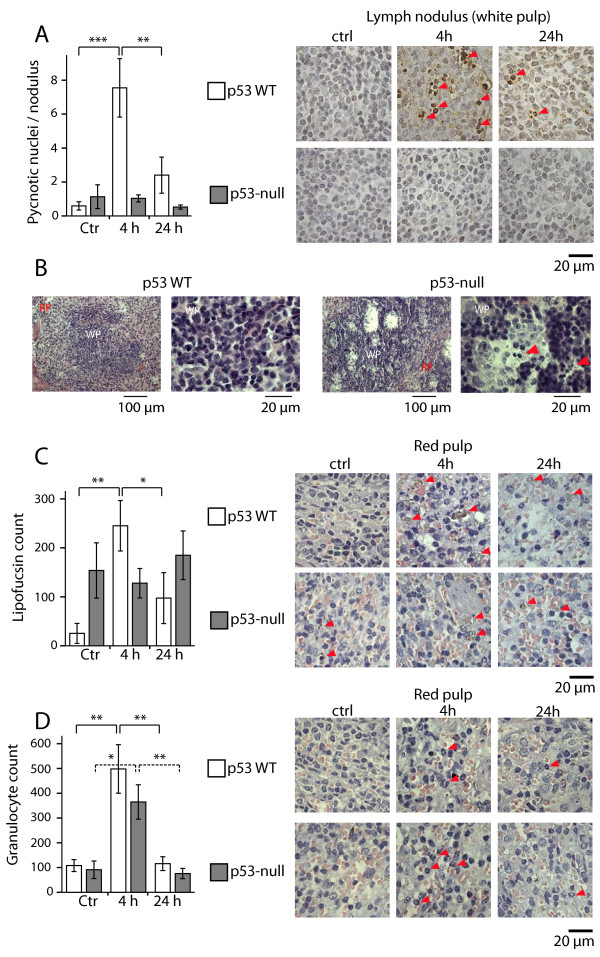
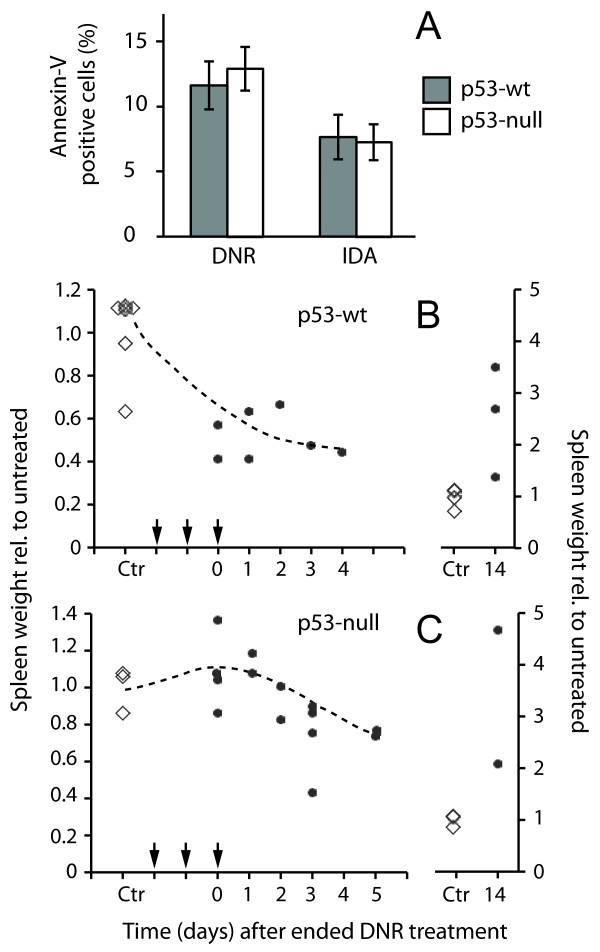
We investigate the role of functional p53 in the acute cellular and tissue responses to anthracycline chemotherapy using AML cell lines and in vivo models. Our work dissects signalling events that determine whether DNA damage leads to repair and recovery or to apoptotic cell death and therapy resistance.
Experiments integrate pathway analysis, genetic perturbation of p53 and upstream regulators, and timed chemotherapy exposures to map critical nodes that could be targeted pharmacologically to improve anthracycline efficacy while limiting harm to normal tissue.