PHARMACOLOGY & NANOMEDICINE
Research

Pharmacology & Nanomedicine

Research

Research

Research programmes

Four interlocking programmes bridge mechanistic cell biology and preclinical translation to tackle drug resistance in AML.
01

p53 and the DNA-damage response in acute myeloid leukaemia

Mechanistic study of how functional p53 controls acute responses to anthracycline chemotherapy and shapes recovery and resistance in AML models.

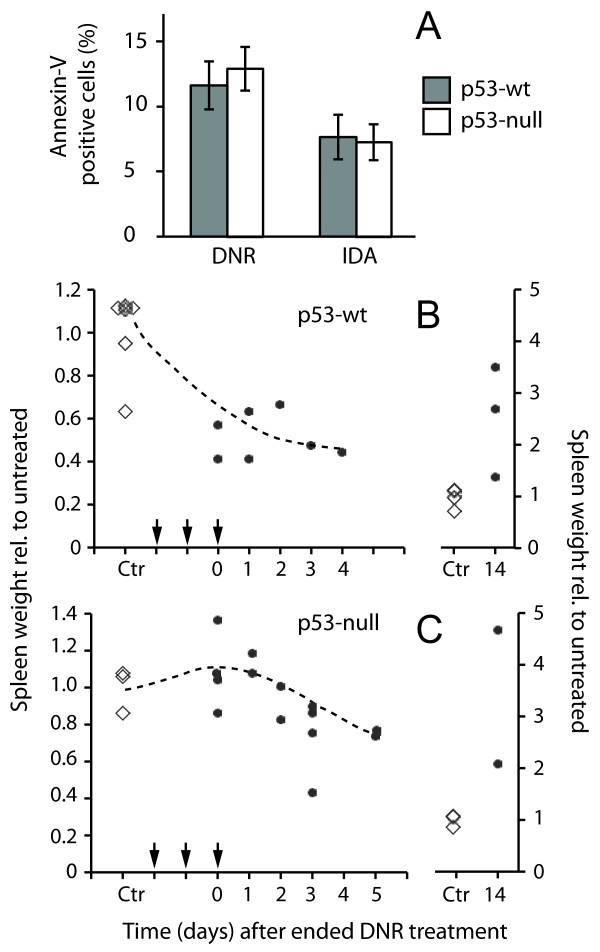
We investigate the role of functional p53 in the acute cellular and tissue responses to anthracycline chemotherapy using AML cell lines and in vivo models. Our work dissects signalling events that determine whether DNA damage leads to repair and recovery or to apoptotic cell death and therapy resistance.

Experiments integrate pathway analysis, genetic perturbation of p53 and upstream regulators, and timed chemotherapy exposures to map critical nodes that could be targeted pharmacologically to improve anthracycline efficacy while limiting harm to normal tissue.
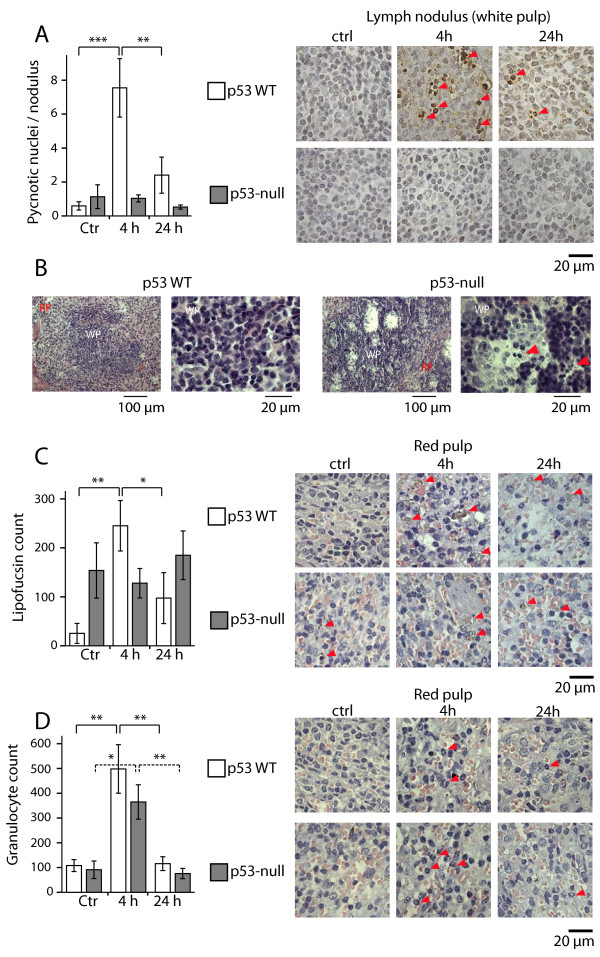
Representative data from functional p53 study showing damage markers and tissue response (open-access figure from PMC3710475).
02

Liposomal co‑formulations to overcome anthracycline resistance

Design and preclinical testing of multifunctional liposomes co‑encapsulating anthracyclines with resistance-modifying agents to enhance AML cytotoxicity and selectivity.

We develop PEGylated, ligand‑targeted liposomes co‑encapsulating daunorubicin and agents such as emetine or prodrug derivatives to circumvent pump- and non‑pump-mediated resistance. Formulations are characterised for drug loading, stability, targeting moieties and release kinetics.

Biological evaluation uses AML cell panels (including p53-deficient models), primary patient samples and in vivo xenograft models to assess efficacy, biodistribution and toxicity relative to free drug. Results guide optimisation towards translationally relevant formulations.

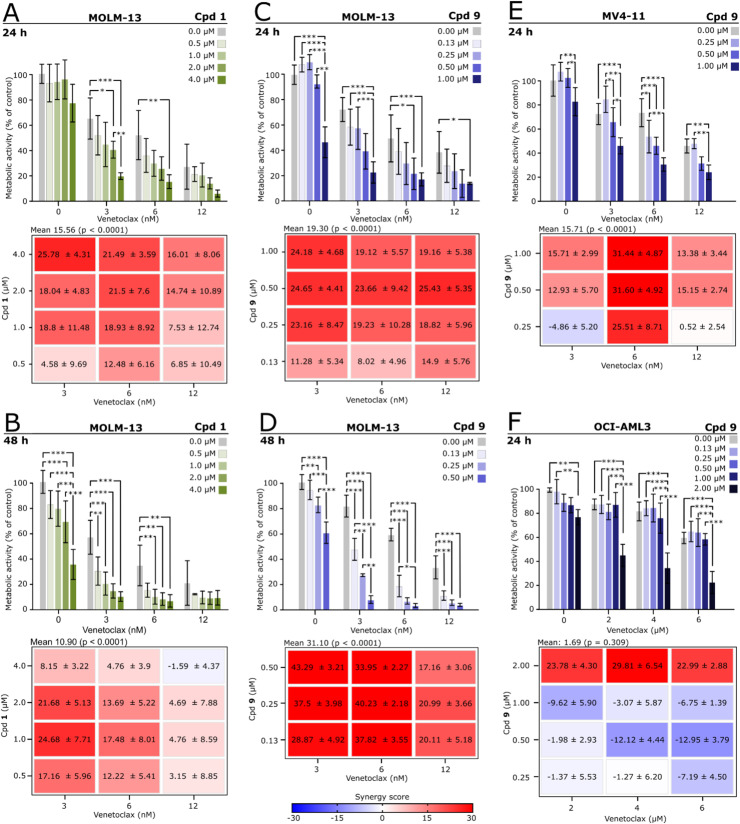
Multi‑functional liposomes co‑encapsulating daunorubicin and emetine show enhanced activity in AML models (figures and data at PubMed/DOI link).
03

Nanocarrier strategies and drug repurposing for AML

Exploration of nanoparticle delivery to improve delivery of repurposed agents and novel payloads for AML therapy, with emphasis on translational obstacles and formulation strategies.

This programme bridges formulation science and pharmacology in order to translate repurposed drugs into effective anti‑leukaemic therapies. We combine formulation strategies with pharmacokinetic and pharmacodynamic evaluation to understand how carrier composition, surface chemistry and size affect circulation, uptake and therapeutic index.

Parallel work addresses challenges in clinical translation — manufacturing, stability and regulatory considerations — and explores how priming strategies (for example metabolic or folate‑mediated priming) can increase selective uptake by AML cells.

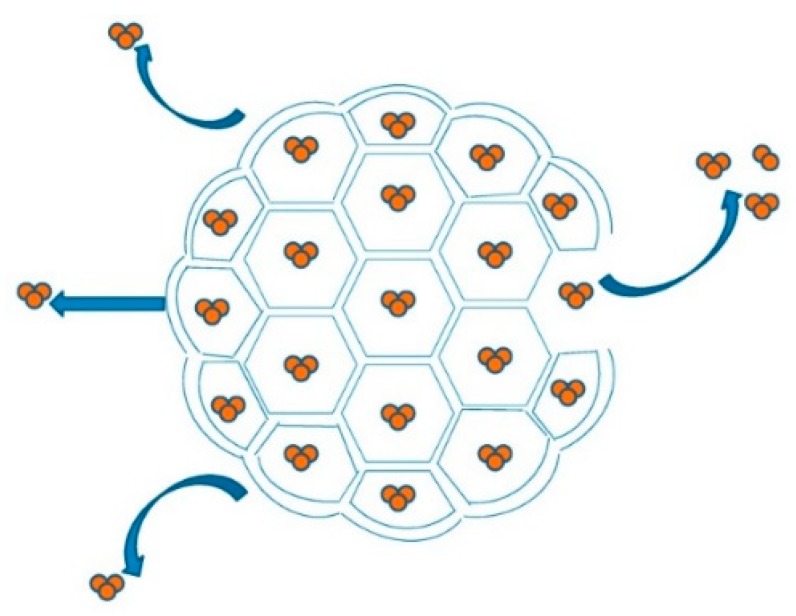
Nanomedicine project overview and formulation images from the UiB nanomedicine project pages.
04

Bioprospecting and natural-product leads for anti‑leukaemic agents

Screening and mechanistic follow-up of bioactive compounds from marine microorganisms and plants to identify novel modulators of apoptosis, cell‑cycle and kinase signalling relevant to AML.

We screen extracts and purified compounds from marine microalgae, cyanobacteria and epiphytes for cytotoxic activity against AML cells. Hits are progressed through fractionation, structure elucidation and target-deconvolution using biochemical and cell-based assays.

Mechanistic studies focus on modulation of protein phosphatases, kinases and apoptotic regulators to place natural hits into signalling contexts that enable rational combination with existing chemotherapies or nanoparticle delivery approaches.

Examples of bioactive natural products and screening outputs described on UiB group pages and publications.